Can You Do Feng Shui Yourself?
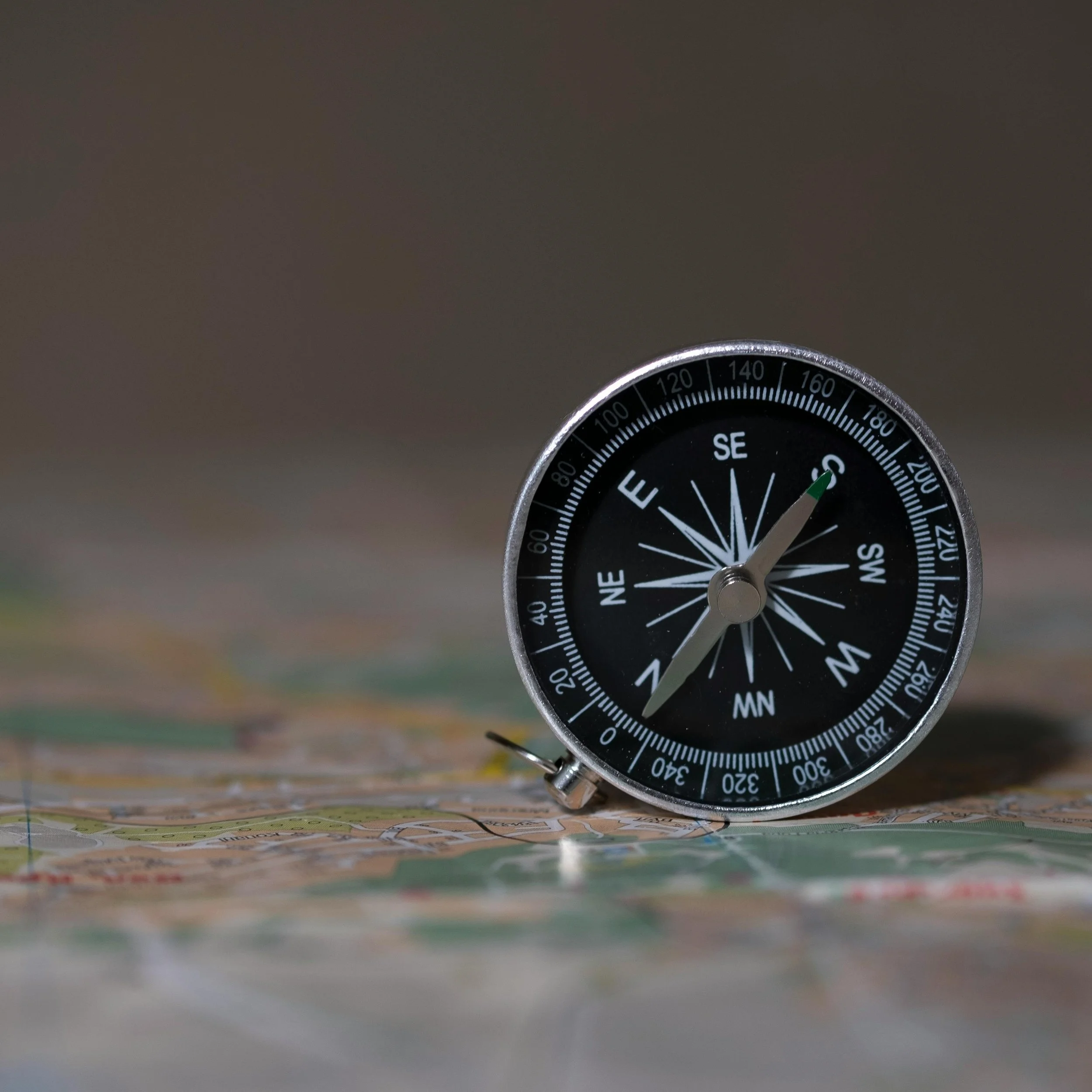
Here's What You're Actually Working With
You've moved the furniture. Added the plants. Maybe placed a crystal or two. And something still feels off.
If you've dabbled in feng shui and wondered why the results haven't matched the promise, you're not imagining things. You're just working with an incomplete map.
What Western Feng Shui Gets Wrong
Somewhere in the translation from ancient Chinese practice to Western lifestyle content, feng shui got reduced to a decorating philosophy. Clear the clutter. Bring in more light. Put a plant in the wealth corner. And while none of those things are harmful, they're not really feng shui.
The system behind feng shui, specifically Flying Stars, known in classical practice as Xuan Kong Fei Xing, is one of the most sophisticated spatial analysis frameworks in existence. It accounts for the orientation of your home, the year it was built, the specific energy pattern locked into its structure at the time of construction, and the annual shifts that occur as we move through each new year.
That's not a checklist. That's a living system.
Why This Matters to Me Personally
Social media has created an entire ecosystem of feng shui content and some of it genuinely troubles me. Well-meaning practitioners offering blanket advice about which corner to activate, which element to add, which direction to face your desk. Advice that has no knowledge of your home's natal chart, its facing direction, the year it was built, or what stars are currently moving through it.
I understand the impulse. Feng shui is compelling and people are hungry for it. But general advice applied to a specific home can do harm… feeding the wrong element into the wrong room, activating a sector that should be quieted, amplifying an energy pattern that is already causing friction.
This is why I am careful, genuinely careful about what I share broadly. I never want to contribute to more misalignment in someone's home. If anything, I want to help undo it.
Your Home Has a Natal Chart
Just like a person born at a specific time and place carries a unique energetic blueprint, so does your home. In Flying Stars feng shui, every home has a natal chart, a nine-palace grid that maps the interaction of base stars, sitting stars and facing stars across your space. These stars govern relationships, health, wealth, and creative energy, and they are fixed to your home's structure based on when it was built and which direction it faces.
No two homes have the same chart. Which means the generic bagua map you found online, the one that assigns wealth to the southeast corner of every home, is at best an oversimplification, and at worst actively misdirecting your energy.

The Year Matters. A Lot.
Here's where it gets even more nuanced.
Overlaid on your home's natal chart is an annual star pattern that shifts every year. In 2026, the Fire Horse year in Period 9, specific stars are visiting specific areas of every home. A few of those stars are beneficial. Most are not.
If you've been feeding the wrong element to the wrong room in the wrong year, you may have been amplifying exactly what you were trying to quiet. More wood in a room already carrying excess wood energy doesn't create flow. It creates pressure.
This is not something you can intuit from a Pinterest board.
What You Can Do on Your Own
To be clear: there is value in the foundational work. I started my feng shui journey in the Western school, so I get it. Clearing clutter removes physical and energetic stagnation. Introducing natural light and living plants brings vitality to a space. Keeping entryways clean and unobstructed supports the flow of energy into your home.
These things matter. But they are just the beginning.
What they cannot do is account for the specific energetic signature of your home, the stars currently active in each room, or the remedies and enhancements that will actually shift the pattern you are living inside. What the surface work can't do is show you the pattern you're already living inside.
What a Professional Assessment Changes
A Feng Shui Home Assessment with home & flow begins with your home's natal chart, pulled from your home's facing direction and its Period of construction. From there, the annual star overlay is applied, and a full room-by-room analysis identifies where energy is supporting you and where it is working against you.
You leave with a clear picture of what your home is actually holding, and a specific, actionable plan for what to move, add, or release.
Not a mood board. Not a general philosophy. A map. And directions.
If you've done the surface work and are ready to understand what your home is really doing, this is where that work begins.