Five Things People Think Feng Shui Is (But Isn’t)
If you’ve ever tried feng shui advice from Instagram and it didn’t work, or you’ve wondered why different consultants say different things, you’re not alone. Over time, feng shui has been simplified into decorating tips, organizing advice, and symbolic rituals. While those ideas often have good intentions, they can leave people feeling confused when they don't produce meaningful results.
Here are some of the biggest misunderstandings that I see.
1. “Clear Path to Your Front Door”
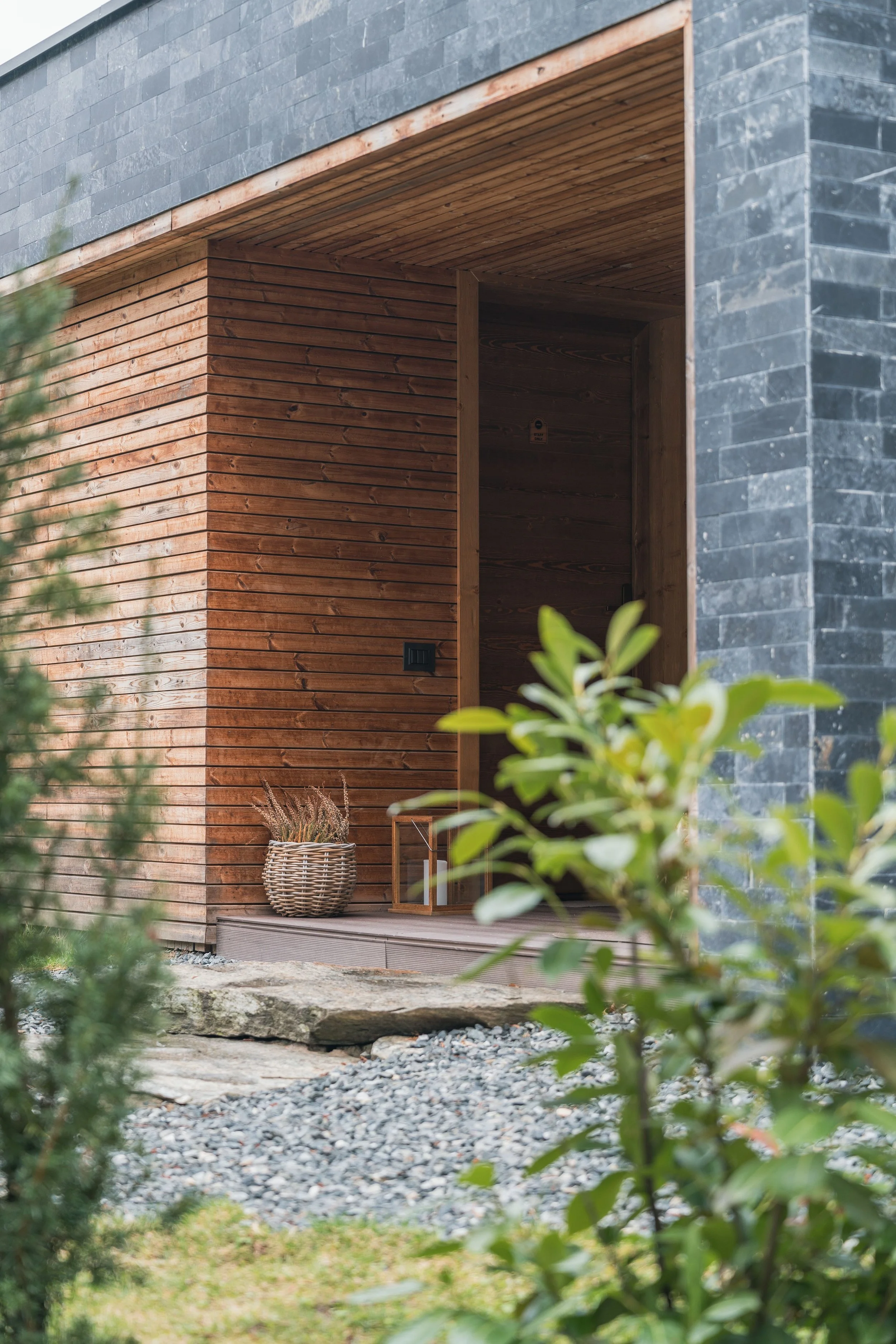
I've heard people say that feng shui is making sure the path to your front door is clear and unobstructed. That your door opens without creaking, that nothing blocks it, that you're inviting good energy into your home with an open, welcoming entrance.
There's nothing wrong with maintaining your entry. A clean, functional entrance makes good practical sense.
But from a Classical Flying Stars perspective, that's only a tiny piece of the picture. The problem with that advice isn't the aesthetics, it's that it completely ignores what your home's stars need in that sector.
Your home's energy configuration was set the moment the walls went up and the roof was finished. Your stars and elements were established. The energetic blueprint is fixed, but how you interact with it is not. Feng shui is the practice of working with that blueprint rather than trying to change it.
So the question isn't whether your front door is clear. The question is: what does this sector of your home need elementally?
My front door is in the west section of my home. My star configuration in that area calls for metal to strengthen the positive stars. West is also the sector of creativity. So I have two metal chairs sitting on my front porch, and I have a statue of Happy Buddha, a metal sculpture I painted, sitting next to my door. That's the difference. One approach is a universal rule applied to every home. The other reads your home first, understands what the stars are saying, and adjusts accordingly.
2. “Organized or Clean Home”
Other people have reduced feng shui to this: a tidy home that is well organized, where things have a place and there are no clutter piles blocking your wealth.
But organization itself isn't feng shui.
A beautifully organized room can still be energetically out of balance.
Likewise, decluttering isn't what changes your home's energetic blueprint. It simply creates a better environment for you to experience it.
A clean and tidy home allows you to feel more relaxed and at ease. But is a clean house going to land you that dream job? Probably not. Will it help you focus on doing whatever it takes to land that job? Maybe.
Organizing your space isn’t the same as reading what your space needs from an elemental perspective.
3. “Every Direction Has a Color”
Another way people reduce feng shui is by assigning colors: paint your south area red, make sure your east has shades of eucalyptus or olive. The logic seems to be that fire goes in the south, so red must belong there.
From a Flying Stars perspective, colors are the least impactful way to bring elements into balance within your home.
And until you’ve looked at your stars, assigning colors by direction is just guessing. Just because the south is associated with fire doesn’t mean you should be painting it red. That might actually be counterproductive for your specific home.
Direction alone doesn't tell you what your home needs. Without understanding your blueprint, choosing colors by compass direction is simply making assumptions.
4. “Wealth Corner Filled with Objects”
This is the one that really irks me. I see people talking about the wealth corner in the southeast portion of your home, making sure it’s not dusty or unused, suggesting you place a plant and a candle or a stone there to make sure money flows.
It doesn’t work that way in Flying Stars feng shui.
Following generalized advice doesn't simply risk being ineffective, it can actually work against the energetic needs of your particular home.
In my own southeast sector, the 5-2 star combination is present. Following generic "wealth corner" advice by adding a thriving plant or activating fire in that room wouldn't support prosperity at all. It would strengthen energies that I'm intentionally working to keep in balance.
The treatment depends on the diagnosis.
Not the direction.
5. “Just Move the Furniture Around”
Furniture placement certainly matters. Interior designers think about traffic flow, balance, comfort, and how people naturally move through a room.
Those are valuable design principles.
Feng shui asks a different question.
It looks beyond where furniture sits and considers what it's made from, what elemental qualities it introduces, and whether those qualities support or conflict with that room's energetic blueprint.
If you have a heavy presence of wood in an area where your stars say you should have minimal to no wood, then rearranging makes sense. But the rearrangement itself isn’t the cure. The understanding of the elements is.
So What Is Feng Shui, Then?
At its core, feng shui is a diagnostic system.
It begins by understanding your home's energetic blueprint, the unique relationship between its orientation, construction period, and Flying Stars.
Once that blueprint is understood, you evaluate how the five elements are interacting within each area of the home.
Only then do you make adjustments. Sometimes those adjustments are obvious. Sometimes they're subtle. Sometimes they involve adding an element. Sometimes they involve removing one. And sometimes the best decision is to leave an area exactly as it is.
The point is that nothing is done randomly.
Everything is read first. Then decided.
Just as a physician doesn't prescribe treatment before making a diagnosis, Flying Stars feng shui begins by understanding your home's energetic blueprint. Only then do you decide what, if anything, should change.